




|
In the Middle East and the Arabian Gulf, gaining access to slimming solutions has become almost as quick and seamless as ordering everyday essentials.
Such brands, which are produced by the American pharmaceutical company Eli Lilly and Company and Danish Novo Nordisk, are expected to become much cheaper and accessible to a much broader segment of the population as the patent for the active ingredient of Wegovy and Ozempic, known as semaglutide, is set to expire in 2026.
Semaglutide belongs to a class of drugs called glucagon-like peptide-1 (GLP-1) receptor agonists. It mimics a natural hormone, GLP-1, to help regulate blood sugar levels and appetite. Semaglutide is approved for several conditions: ● Type 2 Diabetes: Used with diet and exercise to improve blood sugar control in adults. ● Major adverse cardiovascular incidents: It lower the risk of heart attack and stroke and the worsening of kidney disease in patients with type 2 diabetes. ● Weight loss: Approved for obese and overweight adults adults and some adolescents (ages 12 and older with prescription).
A month's supply of Mounjaro in Riyadh is around SAR 1,300 (a pack of 4 doses/pens for once-weekly use). While In Cairo, it costs approximately 14,000 EGP, and in Dubai it costs around AED 1740. In Saudi Arabia, the weight loss drugs sector is expanding at an impressive pace. In 2023, the market was valued at approximately SAR 7.2 billion ( USD 1.92 billion), and it is expected to skyrocket to SAR 170.9 (USD 45.35 billion) by 2032, growing at a Compound Annual Growth Rate (CAGR) of 43.73% from 2024 to 2032. In India, a month’s supply costs about $180—a quarter of the price in America before US President Donald Trump’s announcement on November 6 to lower the cost of popular weight-loss drugs in the US in agreement with major pharmaceuticals. Consumers are set to pay between $245 and $350 per month for obesity drugs. They currently pay over $1,000 a month without health insurance. 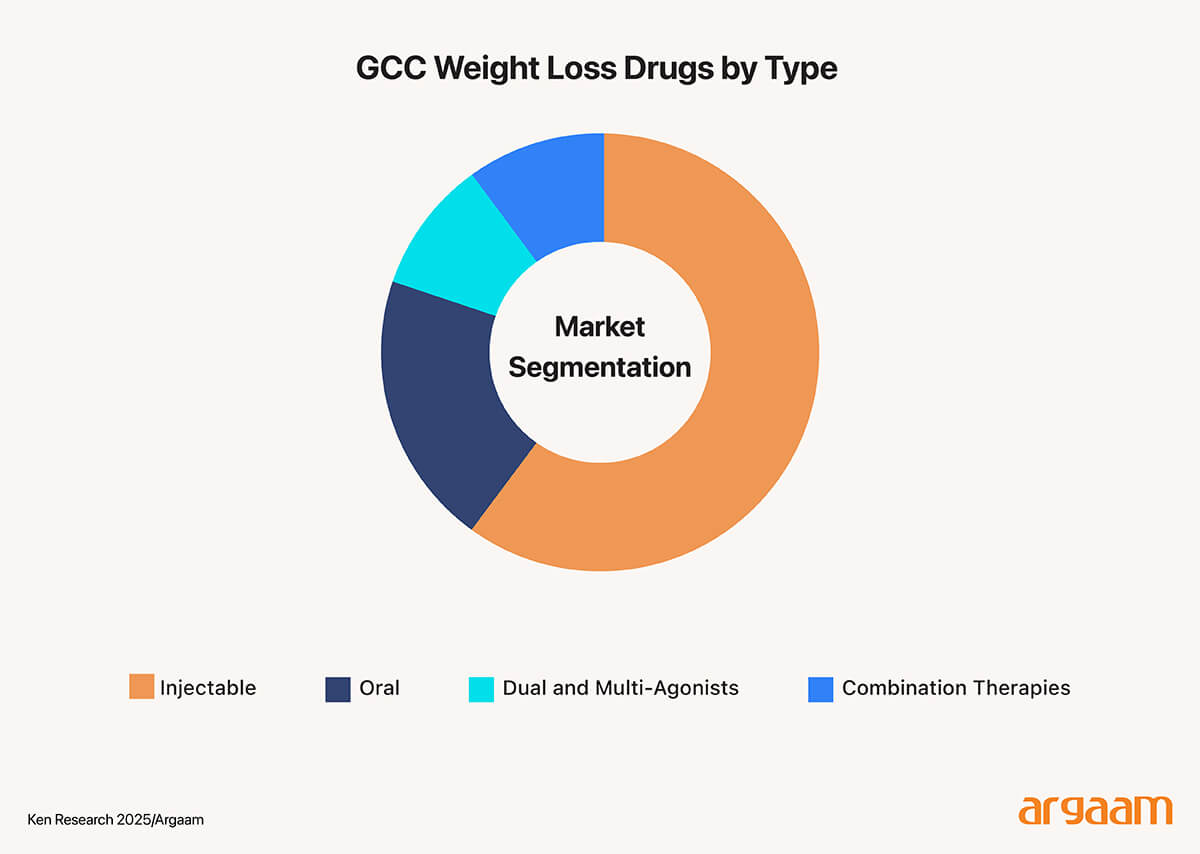 The coming surge of generics Once the patent barriers lift in populous nations such as India, Canada, China, Brazil, and Turkey—collectively representing about 40% of the global population and a substantial proportion of adults with obesity—generic versions of semaglutide are expected to enter the global market. As a result, countries like Saudi Arabia and the broader Middle East, which already face rising demand for effective obesity treatments, will benefit from more affordable access to semaglutide-based therapies. India’s drugmakers, already the source of a fifth of the world’s generic medicines, are moving fast. At least ten Indian versions of semaglutide are in late-stage trials. 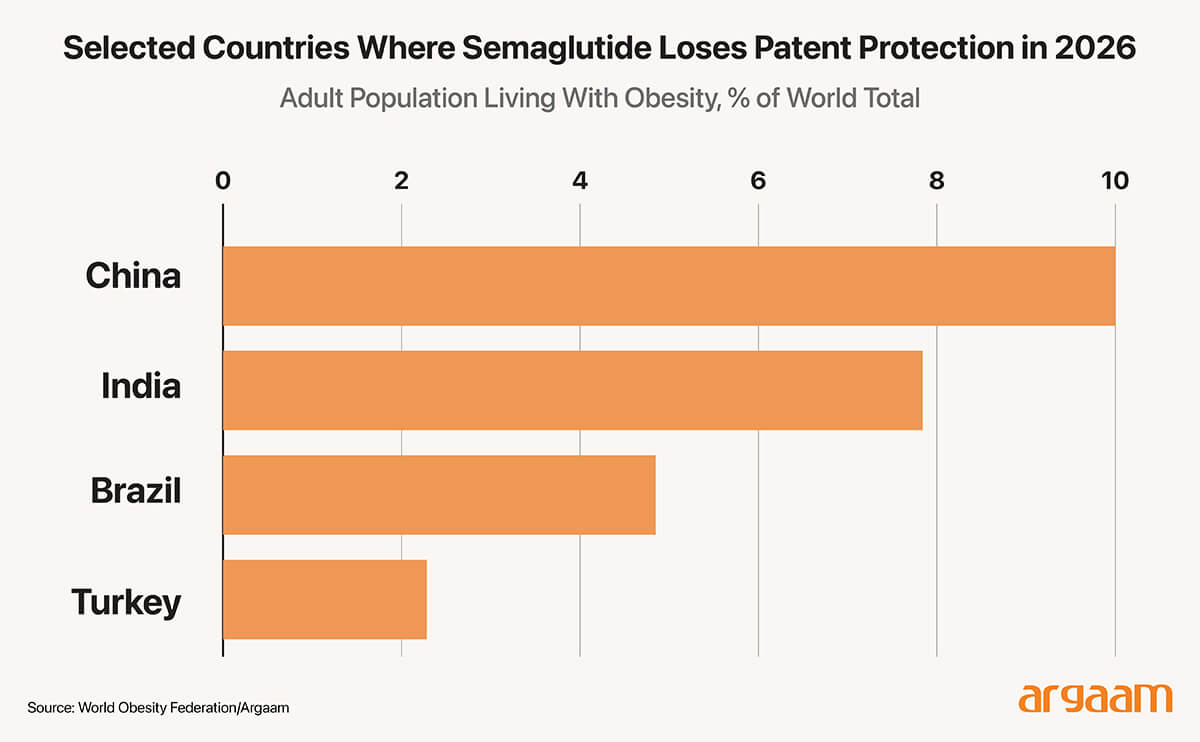
It’s expected the generics to be sold first at about a third of the original price, with further decreases over time as competition intensifies. JPMorgan Chase expects India’s GLP-1 market to grow from $179m in 2025 to $1.5bn by 2030. (Read more: This’s how Saudi Arabia can become another ‘World’s Pharmacy’) Lower costs will not only make these medications accessible to a wider segment of the population but also encourage healthcare providers and policymakers to incorporate them into standard obesity management programs. Global sales of the drugs are projected to exceed $26bn this year—double the figure in 2024. 
Unlike in India, China’s firms are not merely replicating existing drugs; they are also innovating. In June regulators approved mazdutide, developed by Innovent, a local biotech firm, in partnership with Eli Lilly. In clinical trials it proved about as effective as Eli Lilly’s own version.  Pushing the Food Industry Toward a New Revenue Reality in GCC
Currently, there is a lack of comprehensive data regarding the projected global uptake of generic weight loss medications once they become more affordable and widely accessible. However, it can be reasonably anticipated that the adoption of such pharmacotherapies will be substantial, particularly in populous countries such as China, India, and Egypt.
These nations, characterized by their vast populations and increasing prevalence of obesity-related health conditions, are likely to represent the primary markets for affordable weight loss drugs. 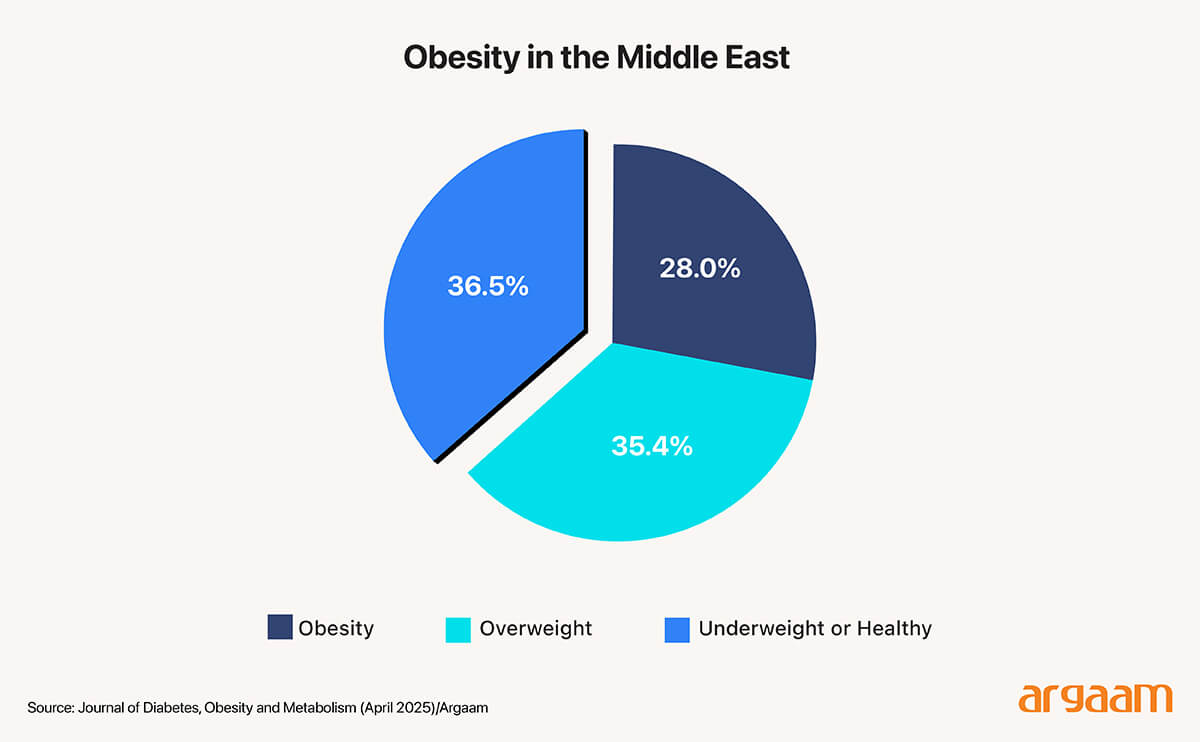 Morgan Stanley Research estimate that 24 million people, or 7% of the U.S. population, will be taking these drugs by 2035 (In today’s census this percentage will make around 25 million people). This may be welcome news for the biopharma industry, but the drugs’ prevalence could have long-term financial implications for food-related sectors and companies in the GCC and the Middle East as consumers eat less and make more nutritious choices. The food, beverage and restaurant industries could see softer demand, particularly for unhealthier foods and high-fat, sweet and salty options. That’s because the new class of obesity medicines works by decreasing appetite and in turn can reduce calorie intake by 20% to 30% daily, according to academic studies. One study, which was published by Obesity Pillars journal in December 2024, indicates that the weight loss injections typically reduce daily calorie intake by approximately 16% to 39% compared to control conditions (placebo or dietary counseling). The reported calorie reductions are ranging from about 130 to 310 kcal per day, and the calories could even decrease significantly if the person observed a disciplined diet. Significantly, survey participants in the US, which ranks 10th in the world for male obesity and 36th for female obesity, cut back the most on foods high in sugar and fat, reducing their consumption of confections, sugary drinks and baked goods by as much as two-thirds. Overall consumption of carbonated soft drinks, baked goods and salty snacks is expected to fall up to 3% by 2035. In the GCC and the Middle East, the expected reduced demand, in our argument, may lead to lower sales volumes, revenue contraction, and pressure on profit margins, especially if companies cannot quickly adapt to changing consumer preferences for healthier options. Revenue in the GCC food market amounts to $130.03bn in 2025. The market's largest segment is the confectionery & snacks with a market volume of $21.08bn in 2025, according to Statista. In relation to total GCC population figures, per person revenues of $344.43 are generated in 2025. Recent academic evidence published in 2024 from studies that followed the same group of individuals over an extended period indicates that discretionary snack consumption is positively associated with long-term weight gain, especially in adults. The studies found that each additional ounce of chocolate-candy intake per day was linked to approximately 0.92 kg of weight gain over three years. A 100-kcal increase in savory snack intake was associated with an annual weight gain of about 9.9 grams. Cocoa butter prices—the main driver of profitability—have dropped by 75% this year, driven by a significant global slowdown in demand for cocoa products. The global decline in demand for the key ingredient in confectionery production—cocoa butter—due to rising health awareness -- is expected to impact the confectionery market in the Middle East and the Arabian Gulf region by reducing both revenues and profit margins. (Cocoa butter is a key ingredient in chocolate and many confectionery products, contributing to texture, flavor, and quality.) Last month (October 2025), the Gulf Health Council launched a new awareness campaign titled “Wazenha” (“Balance It”), targeting children and adolescents up to the age of 19, as well as parents and the wider Gulf community across various sectors. Studies have shown that obesity rates in the region are significantly higher than the global average (23.67% compared to 12.91% in 2021). 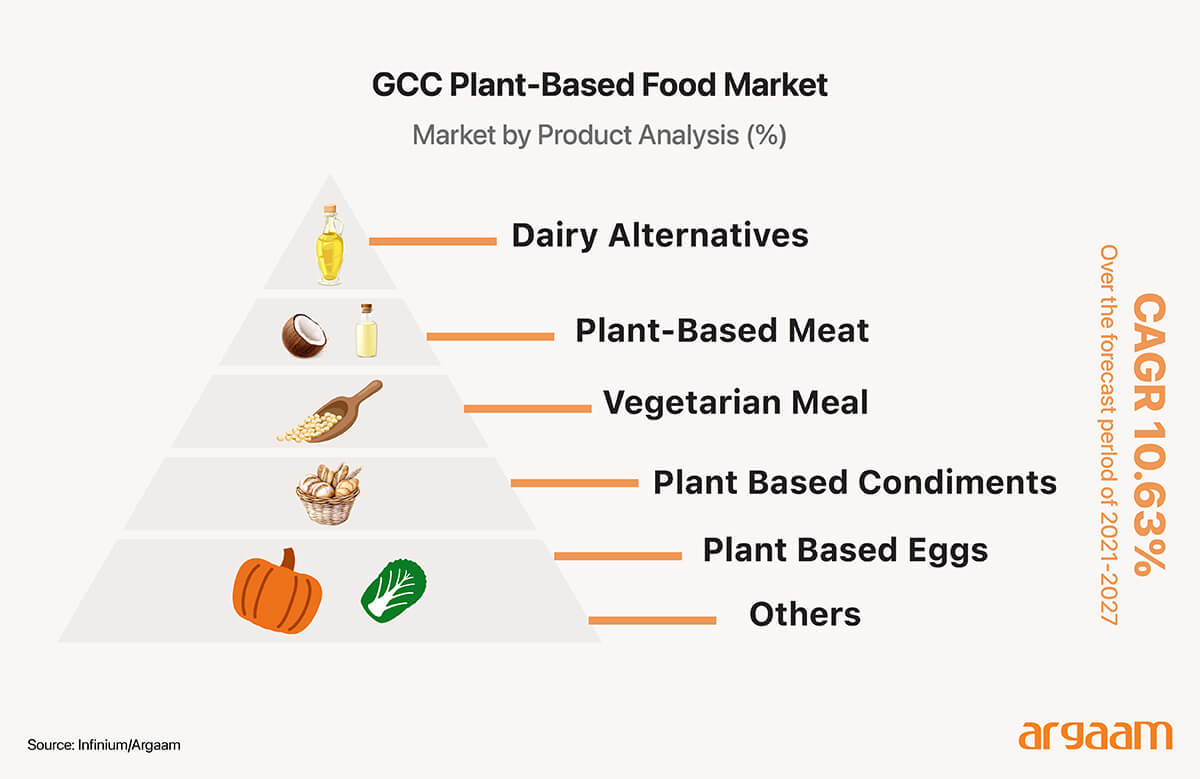 In the GCC food market, there has also been a noticeable increase in demand for organic, and locally sourced food products. This trend is largely influenced by a growing awareness of the benefits of sustainable and ethically sourced food options. Moreover, as more consumers prioritize wellness and environmental sustainability, there is a noticeable shift towards plant-based diets and a preference for natural and unprocessed ingredients in food products. In addition, the anticipated availability of low-cost generic weight-loss medications in 2026 is expected to accelerate the shift in health-conscious consumer preferences away from food products that are high in calories, saturated or trans fats, added sugars, and salt—especially those with low nutritional value. |
|
|

|

|


|

|