




|
In the blistering heat of Saudi Arabia and the United Arab Emirates, where temperatures routinely push the limits of technology, a quiet Chinese tech revolution is powering the rise of electric vehicles. At the forefront of this transformation is lithium iron phosphate (LFP) battery technology; a chemistry that has helped Chinese EV manufacturers dominate these harsh environments during the summer. Chinese automakers leveraged this advantage to capture a market segment overlooked by competitors, delivering EVs with reliable, long-lasting powertrains perfectly suited for Middle Eastern climates. It’s projected that Chinese automotive brands, mainly EVs, will capture a staggering 34% market share in the Middle East and Africa region by 2030, up from just 10% in 2024. Fully-electric vehicles comprised 10% of the value of cars imported into the United Arab Emirates last year, with Chinese BYD and Tesla competing neck to neck according to data obtained by Bloomberg. The originality of our research lies in the focused investigation into the underlying factors driving China's dominance in the electric vehicle market worldwide and the phenomenal rise in a span of a few years in its EV sales in a country like the UAE with summer temperature can rise above 50°C. Also last year, there has been a noticeable surge in awareness and interest in Chinese EV brands across Saudi Arabia. This growing recognition is significant in a market that, while rapidly developing, is still in the early stages of EV adoption mainly due to cultural factors. (Click here to read our in-depth analysis of the challenges facing the adoption of EVs in Saudi Arabia from our November 1, 2024 edition). In a 2024 survey, BYD had the most Chinese electric vehicle brand awareness among consumers in Saudi Arabia, with 47 % of respondents who were either very or moderately likely to buy an EV. Among these consumers, 93% were aware of at least one Chinese EV brand.
And in a recent visit by Argaam Weekend team to Egypt, the most populous country in the Arab world with more than 100 million people, it was quite astonishing to see a great amount of Chinese passenger vehicles including EVs not only on the streets of the capital Cairo, but also prominently featuring Mandarin branding rather than just English letters as was common they in the past decade. Rising Fuel Costs vs. Subsidized Electricity in Oil-Rich GCC CountriesThis reflects China’s growing confidence and assertiveness in global markets. It suggests not only a strategic move to strengthen brand identity but also an assertion of competitiveness in Middle East countries traditionally dominated by Japanese and German manufacturers. Despite the Egyptian market's limited EV adoption, Chinese automakers are leveraging their competitive edge to expand influence, even in markets with established preferences for combustion engine vehicles. Chinese car sales surged by 33.6% between January and November 2024, with brands like Chery, MG and BYD securing prominent positions among the top 10 best-selling car brands in Egypt, according to data from the Automotive Market Information Council (AMIC). In January 2025 alone, Chinese cars topped passenger car sales, with 3,301 vehicles sold, a significant increase from the 1,721 units sold in January 2024. Chinese EV and auto manufacturers have effectively capitalized on this emerging opportunity by offering reliable, cost-effective, and climate-resilient vehicles. Fuel prices in oil-producing countries, including Saudi Arabia, have undergone significant increases due to a combination of global market factors and local policy changes. Traditionally, countries like Saudi Arabia subsidized gasoline prices to keep costs low for consumers, leveraging their abundant oil reserves. However, in recent years, there has been a strategic move to reduce government subsidies on oil derivatives such as gasoline in line with economic reforms like Saudi Arabia's Vision 2030. This aims to diversify the economy away from oil dependency and manage fiscal budgets more prudently amidst fluctuating global oil prices. The most immediate impact is the higher cost of fueling vehicles. A car owner's monthly fuel cost in the UAE, for example, can range from approximately AED 500 to over AED 2,000, depending on driving habits, distance traveled, and vehicle fuel efficiency. According to latest fuel prices at the writing of this analysis, Someone driving about 60 km per day might spend around AED 500-600 monthly, while a driver covering 100 km daily could spend around AED 1,000 or more, if the litre of fuel ranges between AED 2.7 (super 98) to AED 2.6 (Disel). Compared to electricity prices in GCC countries, we find out that electricity prices are heavily subsidized by governments, so consumers pay prices far below the actual cost of production. The rise of solar power for electricity generation also significantly contributes to lowering electricity prices for consumers. 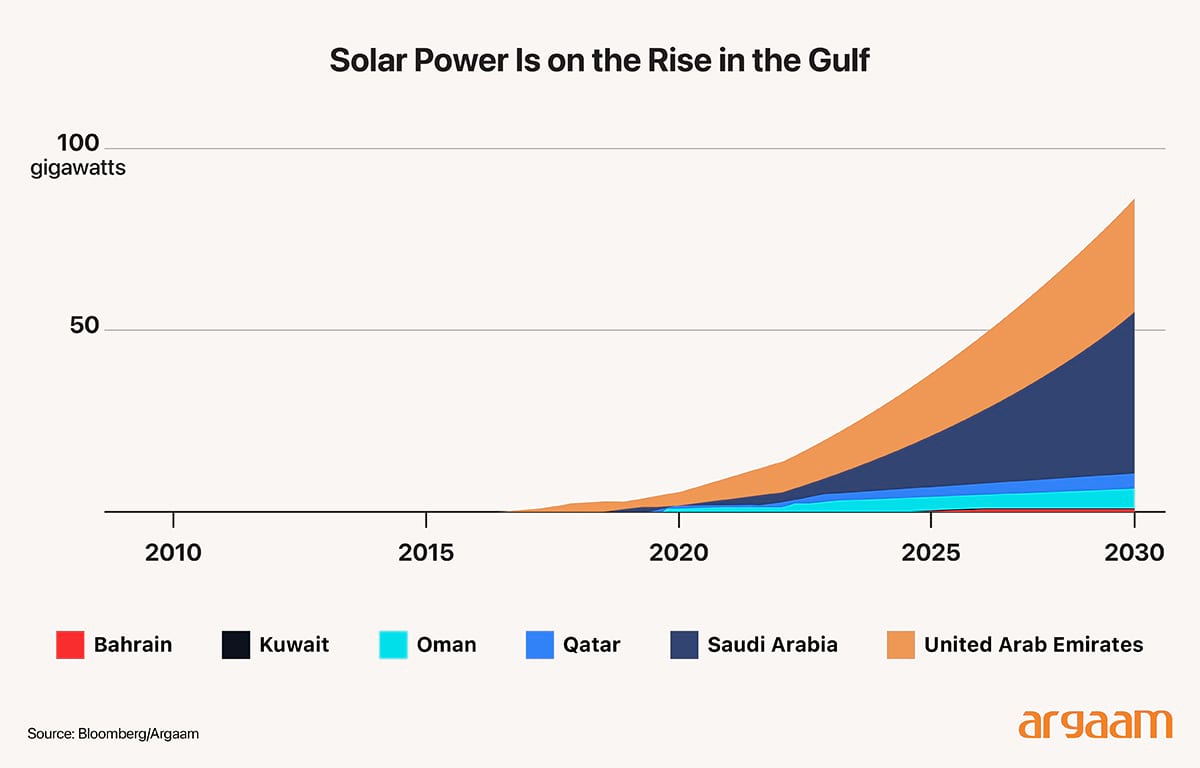
A 2024 academic survey in GCC countries found out that about 50% of total energy consumption in GCC countries is residential means that a significant share of the energy produced is used directly by households for activities such as cooling, heating, lighting, and appliances. China’s tactical shift and the Tesla effectFurthermore, the provision of cheap electricity prices at the residential level creates an additional incentive for citizens to install charging points for EVs at their homes. This not only supports the adoption of EVs but also enables households to achieve substantial monthly savings on car fuel costs by shifting from traditional internal combustion engines to electric mobility, provided they adjust their driving behavior accordingly. China's strategic foresight in the automotive industry by recognizing the limitations of competing directly with established US, German, and Japanese automakers in internal combustion engine technology. Instead of engaging in a resource-intensive race to catch up in ICE innovation, China opted since 2007 to focus on EVs, specifically battery-powered cars. It has also adopted a smart subsidy strategy to accelerate the growth of the EV ecosystem. Instead of restricting subsidies solely to domestic companies, China extended financial incentives to all players, including foreign automakers and its main rival: Tesla. By integrating foreign companies into the subsidy-supported ecosystem, these firms became economically and operationally invested in China's EV market infrastructure, making it costly and unattractive for them to exit. The rapid construction and operationalization of Tesla’s Gigafactory in Shanghai in 2019 exemplify the significant role local Chinese governments play beyond mere financial incentives to attract foreign investment in the EV sector. Chinese local governments provided expedited approvals, simplified administrative procedures, and prioritized support to overcome bureaucratic delays commonly encountered in manufacturing projects. But of course, such debt would come at a cost that depends on the financial profile of the borrower. 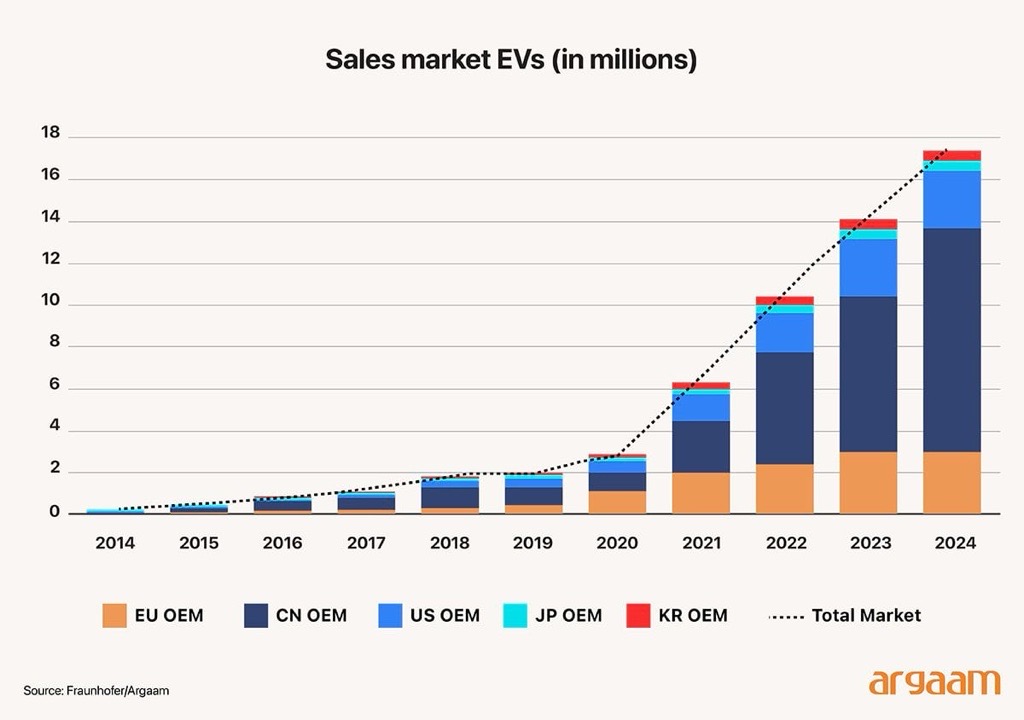
❝ PS: OEM stands for Original Equipment Manufacturer. It refers to companies that design, manufacture, and sell vehicles under their own brand names. OEMs are responsible for the entire vehicle production process, including engineering, assembling, and marketing EVs.
This "lock-in" effect ensured sustained collaboration, technology transfer, and market expansion within China, according to an academic paper titled: Analysis of China’s Growing Competitiveness in the Automotive Industry. By creating an inclusive, subsidy-driven ecosystem, China not only accelerated domestic industrial development but also positioned itself as an indispensable player in the global EV market. This demonstrates a nuanced understanding of market dynamics and international relations, leveraging subsidies not just as financial aid but as strategic instruments to build long-term industrial dominance. From 2009 to 2022, the Chinese government poured over 200 billion RMB ($29 billion) into relevant subsidies and tax breaks. While the subsidy policy officially ended at the end of 2022 and was replaced by a more market-oriented system called “dual credits”, it had already had its intended effect: the more than 6 million EVs sold in China in 2024 accounted for over half of global EV sales. |
|
|
|

|


|


|