




|
Saudi Arabia 🇸🇦 stands great potential to make electric vehicles appealing to its citizens and local customers given the fact that the electricity tariff is already at record-low prices of around 6 cents kilowatt per hour, while the kingdom’s renewable energy sector would produce electricity from wind and solar, instead of plants burning oil and gas, to relieve the pressure on the national grid. The electricity to be produced from a wind project in 2026 with partnership with the Japanese Marubeni Corporation is, for example, expected to be sold at another record low of around 6 halalas (nearly 1.6 cents). 
To give a pragmatic example, the average range of a fully charged 84 kilowatt-per hour electric ⚡ vehicle is around 378km, which means it costs a meagre of just less than $2 dollars (SAR 7.5) to make a journey by an EV from Riyadh to Dammam. To put things into global perspective, the same journey costs you around £15 ($19) in the United Kingdom. This will cost you around £70 ($90) if you make the same distance with a 1.5 litre gasoline car.  And in Italy, the costly energy prices in Europe is one of the main reasons that threatens the auto industry and EVs production in particular, according to an October 18 report by Bloomberg. Saudi Arabia 🇸🇦 has a goal to generate half of its power from clean sources by the end of this decade, up from less than 1% in 2022. By 2030, over 45 gigawatts of solar and wind capacity are likely to be installed in Saudi Arabia, chiefly the 600 - megawatt AlGhat project, which’s due to be completed in 2026. The UN Climate Change Conference (COP26) unveiled in 2022 the Road Transport Breakthrough goal, which requires all sales of new cars and vans to be zero emission globally by 2040 and by no later than 2035 in leading markets.
What kind of policies that can make EVs more appealing? And will the extremely cheap cost of electricity entice Saudi citizens and local customers away from gasoline cars?
🤔
What are the tried policies that could encourage the transition to EVs?
● A purchase premium. ● Tax rebates for corporations producing EVs. ● Special tax incentives for tech, semiconductors and natural metals. companies with a Made in Saudi agenda. 
● Big discount in value added tax. ● Government subsidies (For example, a buyer of an EV in the US can get up to $7,500 in tax credit – which is an amount of money that you can subtract, dollar for dollar, from the income taxes you owe). In Canada, a buyer of an EV gets $8,673 off the total price. ● Restrictions on driving traditional cars (such as London’s Ultra Low Emission Zone (ULEZ), which is a clean air zone that requires drivers of certain vehicles to pay a daily charge of £12.5 if they want to drive within the zone).
🔍
Saudi Arabia electric vehicles factsheet ● The kingdom is building a major lithium chemicals plant in Yanbu Industrial City. ● The kingdom launched Ceer, the kingdoms’ first EV brand in 2022. ● The kingdom says it plans to make 500,000 EVs a year by 2030, roughly close to the annual sales of 600k cars in the kingdom in 2023. ● A $5.6bn deal with Human Horizons, a Chinese firm that makes luxury EVs to collaborate on development, manufacturing and sales. ● A $500 million car assembly plant at King Abdullah Economic City near Jeddah with South Korea’s Hyundai to produce electric vehicles along with internal combustion engine cars. The plant will start operations in early 2026. 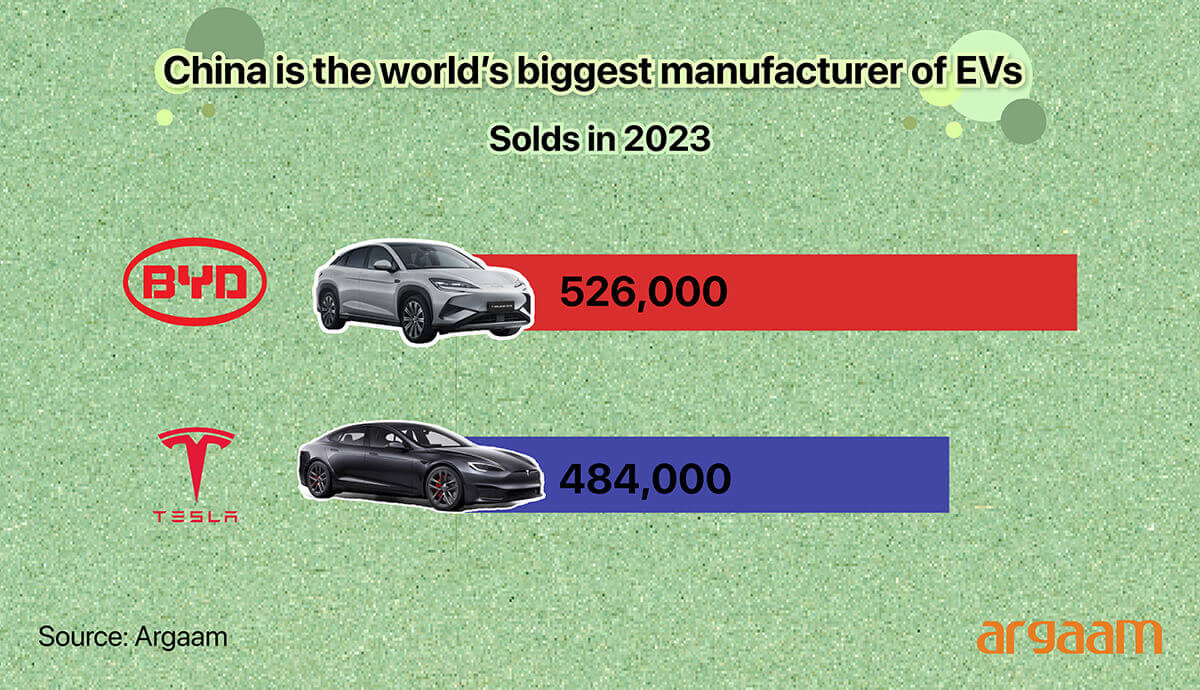
⚡
Will Saudi citizens and locals in the kingdom change behavior and adopt EVs? It depends on an individual’s life attitudes, such as environmental awareness and fashion awareness, and acceptance or obsession of new technologies, and last but not least the financial savings. That said, Saudi Arabian customers have shown a strong preference for luxury and high-performance vehicles. Customers in Saudi Arabia also value spaciousness and comfort, as they often use their vehicles for long-distance travel. SUVs and sedans are particularly popular among Saudi Arabian customers due to their size and comfort. Academic studies, however, the most essential determinants of buying an electric car as shown in this graphics: 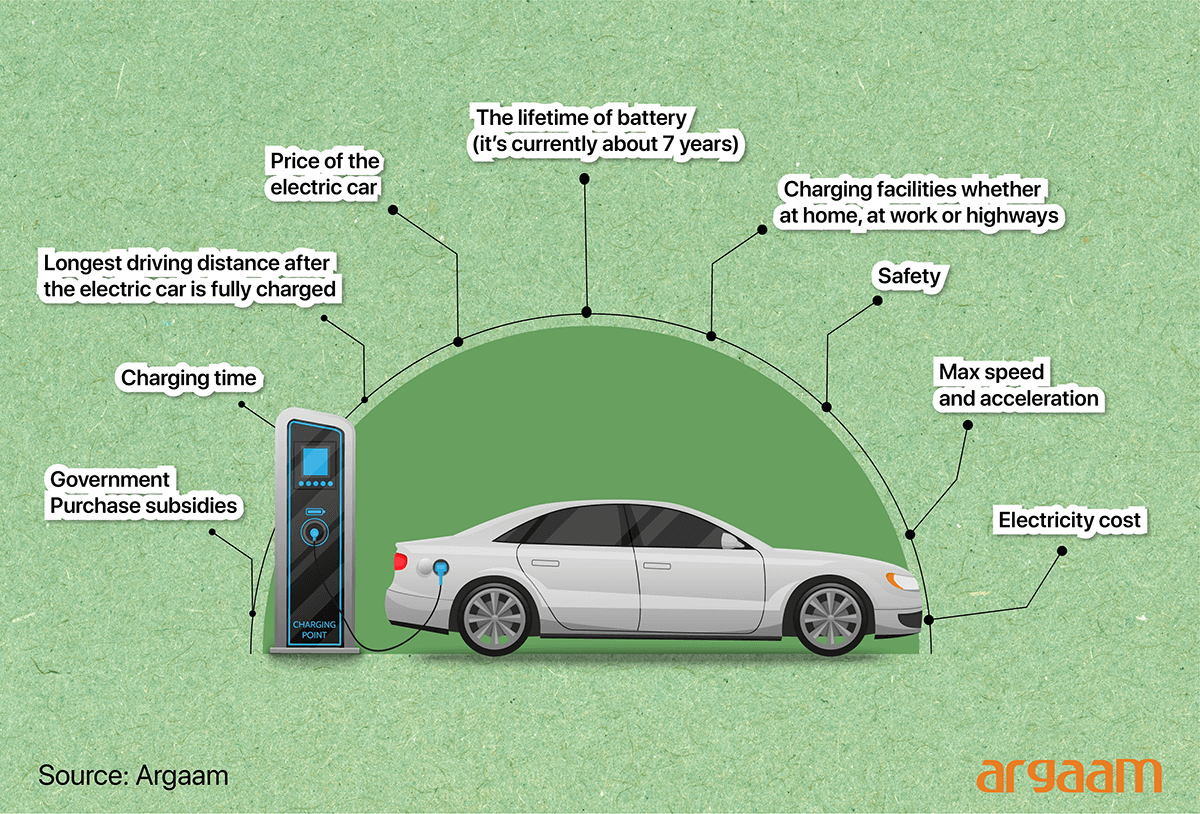 |
|
|
|

|
|


|


Argaam.com Copyright © 2025, Argaam Investment, All Rights Reserved |