




|
The new Saudi real estate system allowing foreigners to purchase properties under certain terms and conditions for the first time in the kingdom, appears to be prioritizing long-term investors focused on growth opportunities rather than transient investors looking to engage in short-term buying and selling, which leads in turn to artificial inflation in prices. The regulatory emphasis on stability and avoidance of speculative bubbles aligns with our analysis, suggesting that Saudi policymakers aim to cultivate a property market where assets are held as durable investments that generate steady income streams and appreciate sustainably over time. Based on the new system set to enter into force in January 2026, several key provisions clearly endorse our analysis emphasizing the Kingdom’s focus on fostering market stability and attracting long-term investors. They include: 1- Property ownership in Riyadh and Jeddah will be limited to certain areas to be decided later, so that the move won’t affect the real estate balance. 2- Banning property ownership in Makkah and Al Madinah except for Muslims and based on certain conditions to be outlined when the law finalises. 3- Taxes and other fees: total of 10%. 4- It isn’t guaranteed that the foreign buyer will have an access to the premium permanent residence. 5- Fine up to SAR10 million ($2.6 million) for violating of laws and regulations. Violators’ properties will be seized and sold in a public auction. 6- The formation of an ad hoc committee made up of 13 state bodies are responsible for executing the new law, monitoring its objectives. These bodies are: 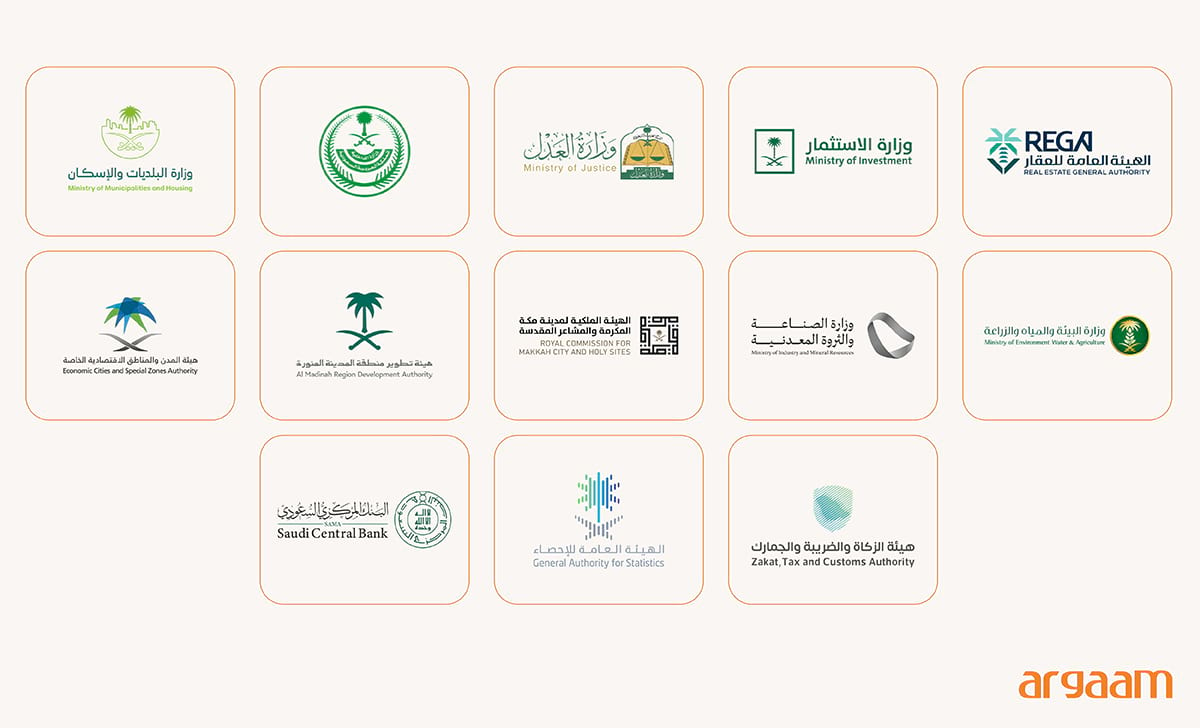 By controlling supply and segmenting the market (point 1), Saudi Arabia is signaling a measured, long-term approach rather than an open floodgate policy that risks volatility. Restricting ownership to Muslims in Makkah and Al Madinah (point 2) ensures adherence to religious and cultural norms, which is important in Saudi Arabia’s socio-political context. The relatively higher registration fees and taxes (point 3) in Saudi Arabia compared to regional markets can be viewed as part of a trade-off for enhanced legal protections, reduced title and legal risks, and a more stable investment environment overall. Strong institutional governance (points 5, 6) correlates with improved investor confidence and reduces political and regulatory risks. 
More valuable in the future Buying property in Saudi Arabia now offers a strategic opportunity to benefit from the country’s expanding economy and real estate market, where the initial lower cost can translate into significant returns as the market advances and matures. For a foreign real estate investor considering Saudi Arabia, a property or plot of land that may seem inexpensive today - especially when compared to hotter markets in the region like Dubai or Istanbul - holds significant long-term potential due to Saudi Arabia’s position as the largest economy in the Arab world. The country is undergoing major economic and social reforms under its Vision 2030 initiative. This transformation is expected to drive demand for residential, commercial, and industrial real estate over time, mainly due to three reasons: 1- Population growth. 2- Urbanization. 3- Infrastructure development. As the market matures and investor confidence grows, property values and rental yields are likely to increase, making early investments more valuable in the future. A policy aiming for long-term stability does not eliminate short-term volatility but rather seeks to reduce excessive fluctuations over time as we see in the coming chart. |
In the chart above from Argaam Macro platform, the term "Relative Change in Residential Real Estate Price Index (%)" refers to the percentage change in the average price level of residential real estate properties over a given period compared to a previous period. We notice a 5.1% increase in Q1 2025 compared to -1.1% in Q1 2024, indicating a significant rebound. This shift from a negative to a positive rate suggests a recovery or strengthening in the residential real estate market. It likely reflects improved investor and consumer confidence, increased demand for housing, or better economic conditions in Saudi Arabia.
🛡️ Safeguarding the real estate sector against bubbles Saudi Arabia’s preference for a stable real estate market is grounded in the understanding that volatile property markets—especially those experiencing boom-and-bust cycles—can jeopardize the broader economy and undermine investor trust. Property bubbles occur when prices rise rapidly to levels unsustainable by underlying economic fundamentals (like income growth or rental yields), often fueled by speculation and excessive credit. When the bubble bursts, sharp price declines and increased foreclosures can ripple through the economy, affecting banks, consumers, and government revenues. Dubai’s property market has experienced several boom-and-bust cycles over the past two decades. For example, after rapid price growth leading up to 2008, the global financial crisis triggered a sharp collapse in Dubai property prices—some estimates cite drops of up to 50% in certain segments. This slump affected investor confidence, liquidity, and construction activity, and took several years for the market to recover. The volatility impacted not only real estate investors but also the broader economy given Dubai’s dependence on real estate development. Istanbul’s property market has shown periods of rapid price increases during economic upswings, followed by corrections linked to macroeconomic instability such as currency depreciation, inflation, and political uncertainty. For foreign investors, these cycles create uncertainty regarding timing of exit or return on investment. |
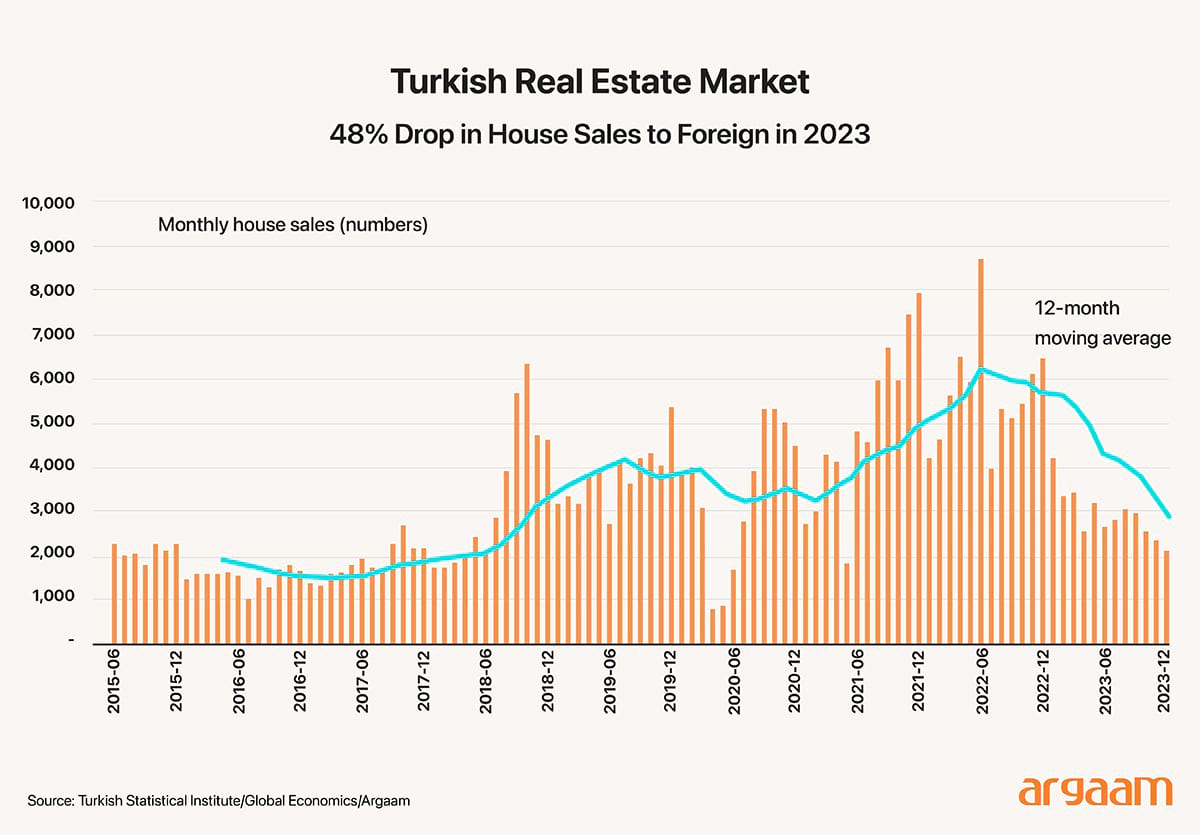 The U.S. experienced a classic real estate bubble that precipitated the global financial crisis. Overleveraged lending, speculative buying, and inflated prices eventually led to a collapse in housing prices and a severe recession. This highlighted how property market instability can have devastating economic effects beyond real estate alone. In contrast, Saudi Arabia seeks to maintain controlled, incremental real estate growth aligned with economic fundamentals such as income levels, population growth, and employment. The regulatory framework including the new draft law promotes long-term holding and management of properties, discouraging rapid flipping or speculative bubbles. In conclusion, the objective of the new real estate system in Saudi Arabia is often to promote sustainable, stable growth. Such reforms reduce uncertainty and risk, contributing over time to a stable environment where prices appreciate in a controlled manner rather than through erratic spikes or dips. |
|
|

|

|

|


|


|